Guidelines
Call for Participation – Closed
Closed on March 4, 2026
Thank you for your interest in the Canadian Guidelines and Resources for Cancer Detection in Firefighters (CAN-CDF). The call for participation is now closed.
There will be additional opportunities to be involved in the CAN-CDF project, including providing input on topics, questions, and draft recommendations.
These opportunities will be shared through the McMaster Cochrane Canada and GRADE Centres newsletter.
To stay informed about future updates and opportunities, please sign up for the newsletter here.
Launching New Guidelines for Cancer Detection in Firefighters
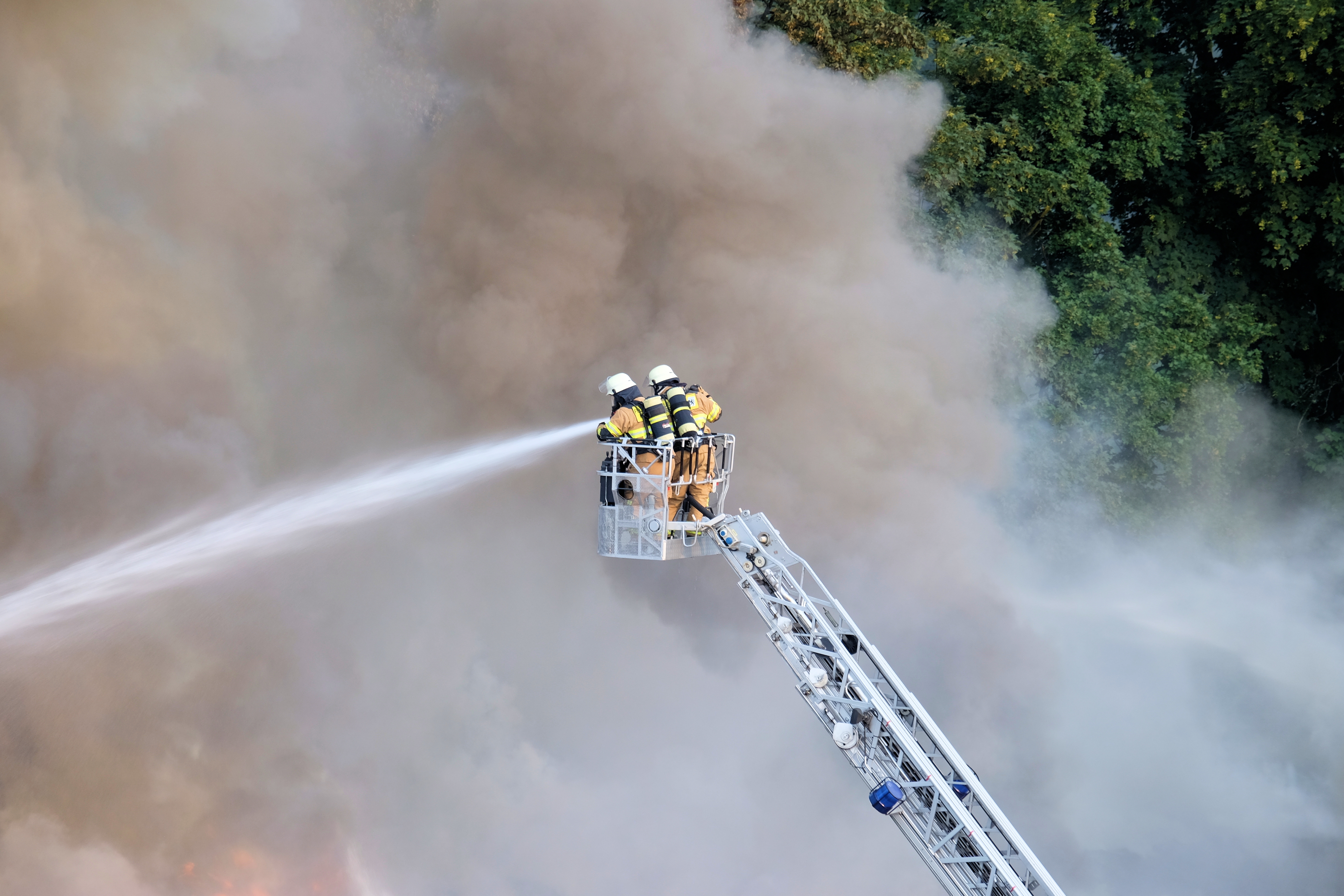
The Canadian Guidelines and Resources for Cancer Detection in Firefighters (CAN-CDF) will produce the first national evidence-based recommendations for cancer detection in firefighters.
Funded by Health Canada and led by the McMaster University Cochrane Canada and GRADE Centres, the project launching in 2026 will: 1) develop living recommendations addressing multiple cancer types relevant to the firefighting profession, 2) produce and disseminate information sheets and tools on how to use the recommendations, and explainer videos for use by health care providers and firefighters, and 3) evaluate the uptake of the recommendations and these tools.
Guideline Process and Timelines
| Year 1 | - Define priority topics and questions for recommendations - Select guideline panel and form working groups - Consult interest holders and develop and disseminate materials to raise project awareness - Project kick-off meeting |
| Year 2 | - Conduct systematic reviews on cancer detection - Continued consultation with interest holder groups - Develop ‘living’ recommendations |
| Year 3 | - Maintain and update living recommendations as needed - Develop knowledge translation tools (plain language recommendations, decision aids, training materials) - Disseminate guidelines through continuing medical education, webinars, and outreach |
| Year 4 | - Update living recommendations and finalize the guidelines - Evaluate guideline uptake and use of knowledge translation tools |
Stay Up to Date!
Join the McMaster Cochrane Canada GRADE Centre newsletter (here) to receive project updates, including an upcoming call for participation to join advisory groups, provide input on the development of recommendations in 2026-2027, and learn about available tools and resources as they are released.