
We wanted to know the frequency and type of critical incidents exposures experienced by volunteer and career firefighters across Canada throughout their entire careers.
Read MoreWe wanted to know the frequency and type of critical incidents exposures experienced by volunteer and career firefighters across Canada throughout their entire careers.
Read More
We wanted to know if male and female firefighters have similar hip and knee movements during a hose drag.
Read More
We wanted to know if injured first responders and high and low physical demand workers differ in work absences, return-to-work duties, and claim duration.
Read More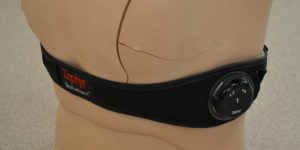
We wanted to know if the Zephyr BioHarness would provide reliable breathing rates when worn by males and females of different ages while doing a fitness test.
Read More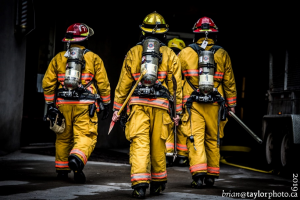
We wanted to know what the current debates and critiques were of the dominant strategies and interventions used to address trauma among public safety personnel.
Read More
We wanted to know if educational programs on home fire safety can change people’s home fire safety knowledge or behaviour.
Read More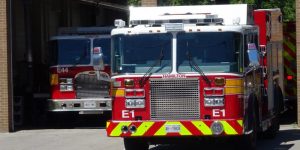
We wanted to know the frequency and type of critical incidents exposures experienced by full-time firefighters in the past 2 months.
Read More
We wanted to know what factors predicted when first responders with injury claims returned to work.
Read More
We wanted to know if there was a link between the number or location of painful body sites and work limitations in career firefighters.
Read More
We were interested in the kind of health and safety resources available to firefighters on Canadian employer and union firefighter websites.
Read More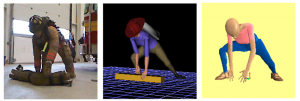
We used virtual reality to better understand the impact of firefighter bunker gear, including the SCBA, on injury risk when lifting a high-rise hose pack from the ground.
Read MoreWe wanted to know if there was scientific evidence on the use of the Zephyr BioHarness to measure heart rate.
Read More
Check out some of our additional resources and videos that can be used to help you perform your job more safely!
Sign up for our monthly newsletter to get the latest in firefighter health research. Our Newsletter is only available in English.